

Underfloor heating (UFH) has become a popular choice for homeowners across Edinburgh, providing a discreet and efficient way to heat both modern builds and character-filled period properties. While UFH systems are known for their reliability and low maintenance, they are not completely immune to problems. One of the most significant—and potentially disruptive—issues is a leak in a water-based underfloor heating system.
Leaks in UFH can go unnoticed for some time, especially if the system is embedded within concrete or hidden beneath tiled flooring. If you suspect your underfloor heating may be leaking, or you simply want to be informed before problems arise, this guide covers everything Edinburgh homeowners need to know—from recognising early warning signs to understanding your repair options.
How Water-Based Underfloor Heating Works
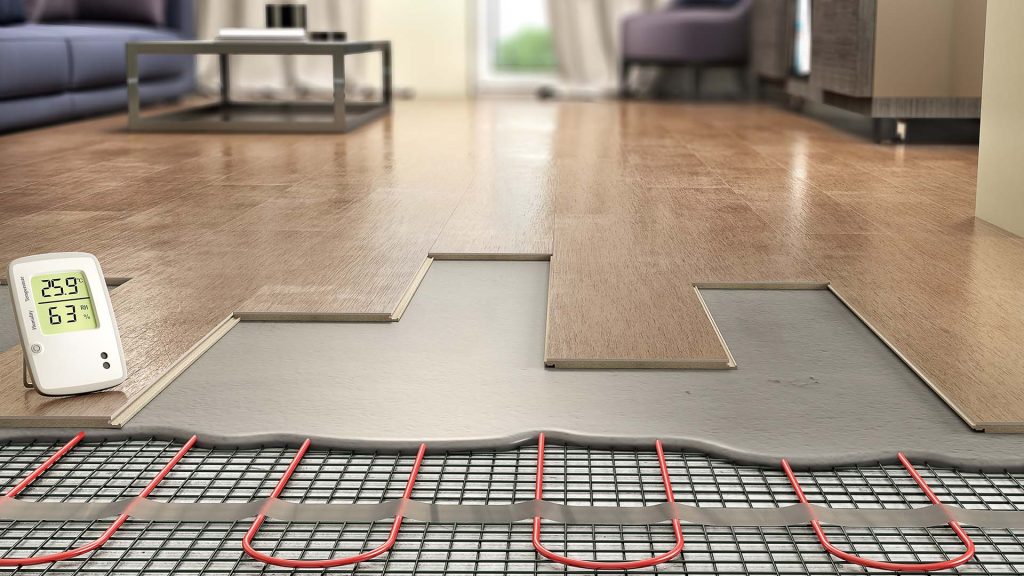
Water-based underfloor heating works by circulating warm water through a closed-loop system of pipes laid beneath the floor. These pipes are typically connected to a boiler, heat pump, or manifold system, and they warm the room evenly from the ground up.
This form of heating is especially effective in Edinburgh’s colder months, and it’s commonly installed during home renovations, basement conversions, or extensions. When installed correctly, UFH is long-lasting and energy efficient—but if a leak occurs, it can be tricky to access and repair without disrupting the floor above.
Why Leaks Happen in UFH Systems
While underfloor heating pipes are usually designed to last for decades (often 50+ years), leaks can still happen for several reasons. Common causes include:
1. Poor Installation
If the system wasn’t correctly installed—perhaps without sufficient insulation, expansion joints, or pressure testing—pipework may become vulnerable to stress or movement over time.
2. Accidental Damage
Drilling into the floor, screwing down fixtures, or conducting building work without knowledge of the pipe layout can easily puncture UFH circuits.
3. Corrosion or Wear
Although most UFH pipes are made from corrosion-resistant plastic, metal fittings (such as at the manifold) can degrade over time. In older Edinburgh properties with mixed plumbing materials, galvanic corrosion is not uncommon.
4. Thermal Expansion and Contraction
Fluctuations in water temperature cause pipework to expand and contract. If the pipe runs were installed too tightly, or without sufficient space for movement, the resulting stress may lead to leaks.
5. Freeze Damage
Unheated basements, garages, or empty properties during a cold Edinburgh winter can allow water in the system to freeze and expand—cracking pipes if antifreeze protection is not in place.
Signs You May Have a Leak
Leaks in UFH systems aren’t always dramatic. They can start small and develop over time. Here are key warning signs that may indicate a leak:
- Pressure loss in the boiler or manifold: If you’re frequently topping up your system pressure, a leak may be the cause.
- Cold zones in the floor: Uneven heating may suggest a loss of water flow to certain loops.
- Increased energy usage: A leak can reduce efficiency, causing your boiler or pump to work harder.
- Damp patches on floors or ceilings below: Especially in tenement flats or basement conversions.
- Musty smells or visible mould: Hidden leaks can create persistent damp conditions.
- Unusual noises: Gurgling, hissing, or constant pump operation can all be signs of trouble.
How Leaks Are Diagnosed
If you suspect a leak, the first step is to isolate and confirm the problem. Specialist UFH engineers use a combination of the following tools and techniques:
1. Pressure Testing
The system is pressurised and monitored over time. A drop in pressure confirms the presence of a leak.
2. Thermal Imaging
Infrared cameras can detect cold or wet patches below the surface of the floor, helping to pinpoint the leak’s location with minimal disruption.
3. Acoustic or Moisture Detection
Listening devices and moisture meters may be used to detect escaping water in timber floors or ceilings.
4. Tracer Gas Detection
A safe, odourless gas is introduced into the system. Special detectors then pick up where the gas escapes—ideal for concrete-embedded systems.
In Edinburgh homes with suspended timber floors, original stone slabs, or protected interiors, leak detection must be carried out carefully to avoid damaging heritage features.
How Leaks Are Repaired
Once the leak is located, the next step is to carry out a targeted repair. Your options will depend on where the leak is, how accessible it is, and the age of the system.
1. Pipe Repair Under the Floor
If the leak is within a section of pipe under screed, timber or tiles, the affected area must be carefully exposed.
- The floor finish is removed in the smallest area possible.
- The screed or subfloor is cut to reveal the pipe.
- A specialist pipe repair coupling is fitted to the damaged section.
- Once tested, the floor is reinstated using compatible materials.
This is the most common repair and, when done professionally, leaves little visual trace after completion.
2. Manifold or Joint Repair
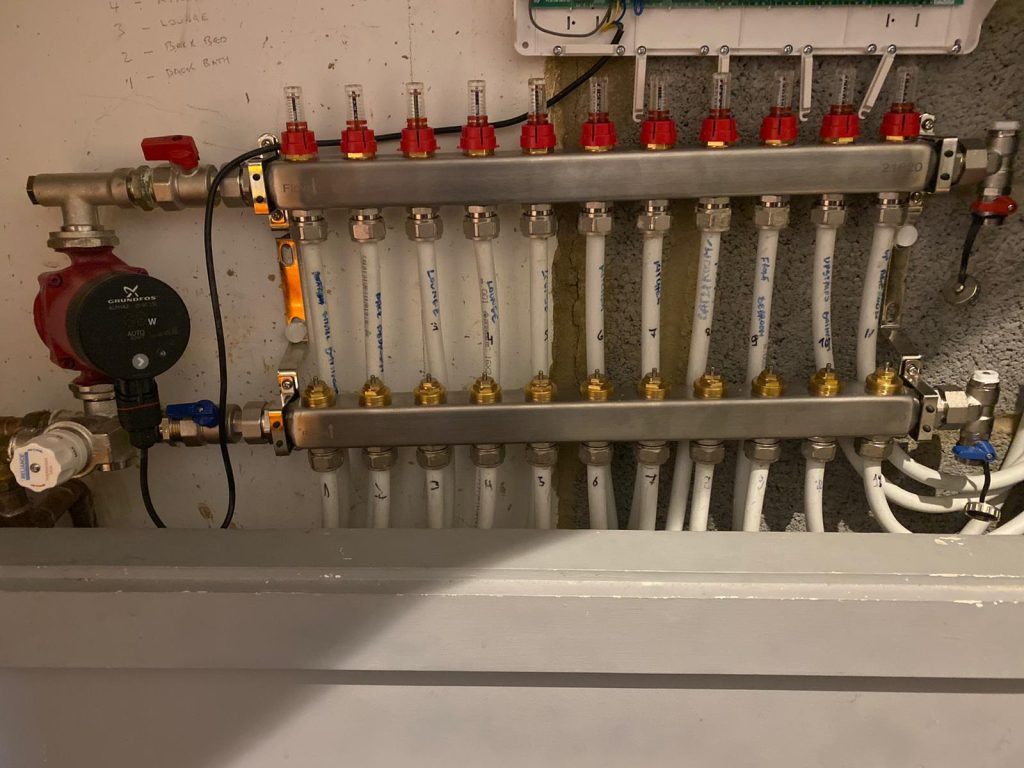
Leaks near the manifold (the unit that distributes water to different zones) are easier to access.
- Faulty joints, actuators, or valves are replaced.
- O-rings and seals may be renewed.
- The system is repressurised and tested for integrity.
3. Pipe Loop Isolation or Bypass
If a loop is too damaged or inaccessible, it may be permanently capped or isolated. The rest of the system can then operate as normal, although the affected area will no longer receive heat.
In extreme cases, a loop can be rerouted around the affected section using new pipework.
Is It Worth Repairing or Replacing the System?
This depends on the age, extent of the damage, and accessibility of the system. In most cases, a targeted repair is sufficient and far more cost-effective than a full replacement.
However, if:
- The system is over 20 years old
- Multiple zones are affected
- Flooring is already being replaced
- The original installation was poor
…then a full replacement may be worth considering.
Special Considerations for Edinburgh Properties
Many homes in Edinburgh are part of listed buildings, conservation areas, or traditional tenement blocks. In these cases, extra care is needed:
- Original floors (e.g. timber boards or flagstones) may be protected and require special permission to lift.
- Access to neighbours’ ceilings or floors may be needed in multi-unit buildings.
- Ventilation and moisture control are vital, particularly in properties with suspended timber floors.
If your property is listed, you may need to apply for Listed Building Consent before any structural repairs. Always consult with your local council or a heritage-qualified contractor.
How Much Does It Cost to Fix a UFH Leak?
Costs vary based on the complexity of the job, location of the leak, and the type of flooring. As a rough guide:
| Service | Estimated Cost (inc. VAT) |
| Leak detection only | £250–£400 |
| Minor pipe repair (one area) | £300–£700 |
| Manifold valve or joint repair | £150–£300 |
| Loop bypass or isolation | £400–£900 |
| Full loop replacement | £1,000+ |
Note: These prices are averages and may be higher in Edinburgh’s city centre or heritage homes requiring specialist materials.
Can Home Insurance Help?
Many home insurance policies include trace and access cover, which pays for leak detection and the cost of removing and replacing flooring to reach the problem. However, this may not cover the cost of repairing the UFH system itself.
Always check:
- Whether your policy includes trace and access
- If you need prior approval before calling in a professional
- Whether damp or mould damage will be covered
If the leak has damaged a neighbour’s property (common in tenements), your insurer may also be able to assist with third-party claims.
Preventing Leaks in the Future
While some leaks are unavoidable, many can be prevented through proper care:
- Annual servicing of the UFH system, especially the manifold and pump
- Use of inhibitors to prevent corrosion in wet systems
- Installing a magnetic filter to collect sludge and debris
- Avoiding drilling into floors without verified pipe maps
- Regular monitoring of system pressure
If your system was installed more than 10–15 years ago, a professional check-up can ensure it remains in good condition and up to modern standards.
Conclusion
Leaks in water-based underfloor heating systems can be worrying—but they are rarely catastrophic and, in most cases, can be fixed with minimal disruption when caught early. For Edinburgh homeowners, where properties range from ultra-modern flats to centuries-old buildings, understanding how UFH works and what to do when things go wrong is essential.
If you suspect a leak, don’t wait. Call in a qualified underfloor heating specialist with experience in Edinburgh property types. A prompt repair now can save you significant cost, damage, and stress down the line—and get your warm, comfortable floors back where they belong.